Materials
Why Is Material Selection Important
In hospitality furniture manufacturing, material decisions come from experience on the floor, not from a design board. Hotel furniture gets used all day, every day. In guest rooms, luggage is dragged across surfaces, drinks get spilled, and pieces are handled by hundreds of different guests over time. If a finish can’t take that kind of use, it doesn’t last.
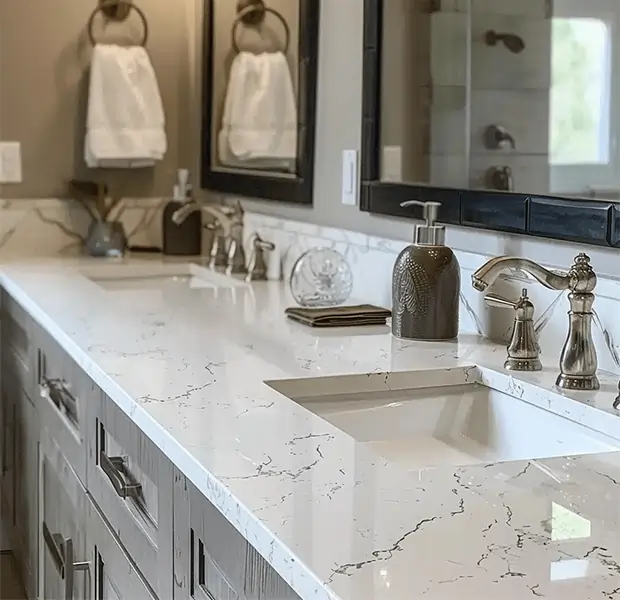
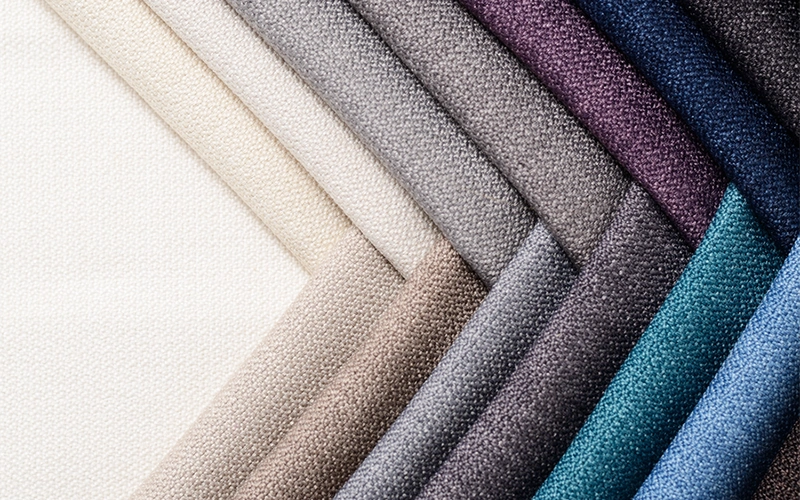
Public areas are where weak materials get exposed fast. Corridors and lobbies don’t get a break. Carts roll through them, cleaning crews work around the clock, and furniture gets knocked, shifted, and leaned on constantly. Add regular exposure to cleaning chemicals and moisture, and anything poorly built starts to fail. That’s why material choices in these spaces are about strength first. Woods that don’t warp, metals that don’t dent easily, and fabrics that hold up instead of thinning out after a year of use.
Public areas are where weak materials get exposed fast. Corridors and lobbies don’t get a break. Carts roll through them, cleaning crews work around the clock, and furniture gets knocked, shifted, and leaned on constantly. Add regular exposure to cleaning chemicals and moisture, and anything poorly built starts to fail. That’s why material choices in these spaces are about strength first. Woods that don’t warp, metals that don’t dent easily, and fabrics that hold up instead of thinning out after a year of use.

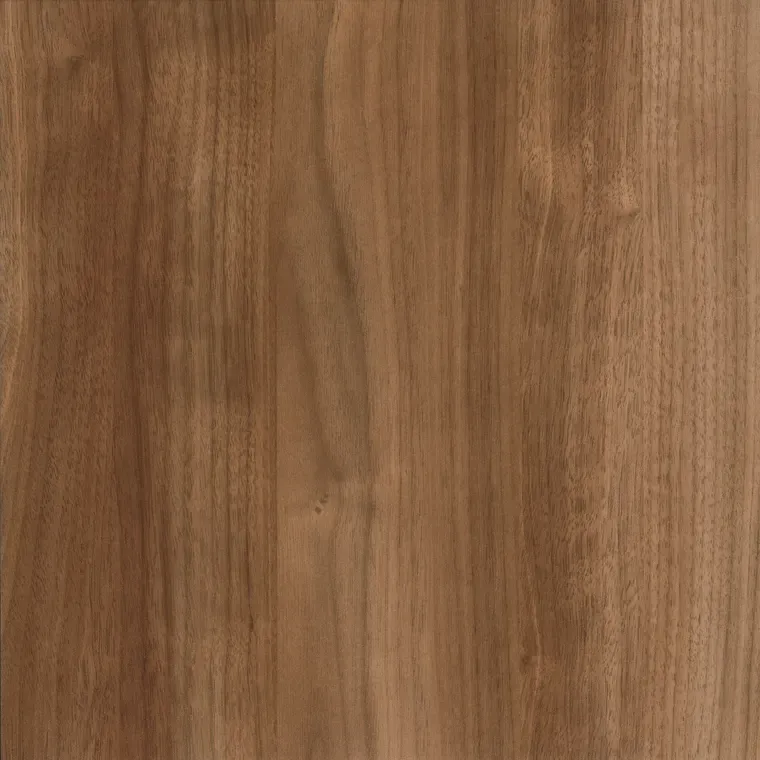
Material Selection and Testing
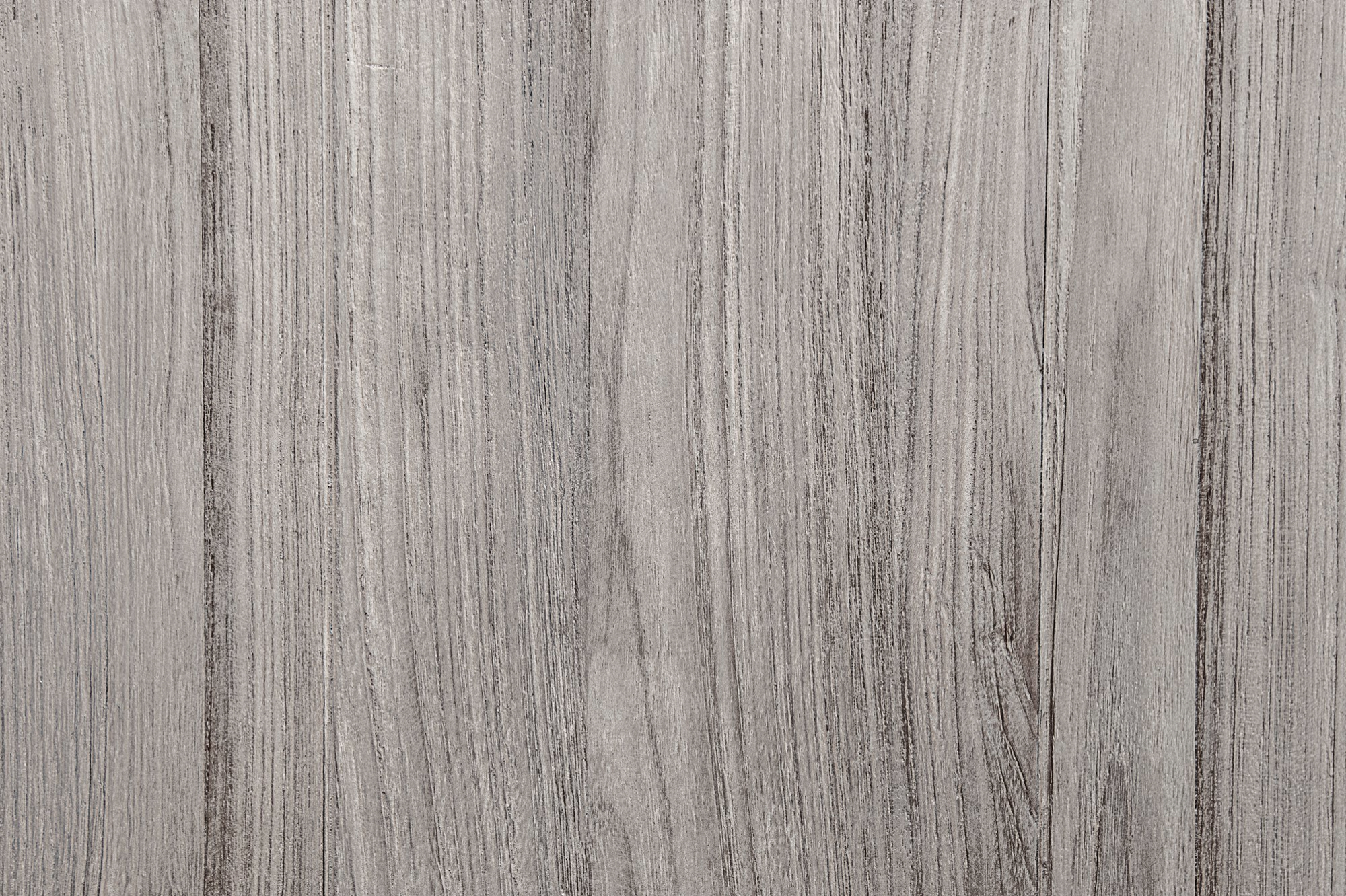
From the production side, durability shows up in the long run, not at delivery. When furniture holds together year after year, hotels deal with fewer repairs and less downtime. When it doesn’t, the problems are obvious. We’ve seen tabletops move in humid spaces, finishes wear unevenly in the same room, and upholstery fail early in high-use areas. In most cases, those issues trace back to inconsistent materials. That’s why batch consistency matters as much as initial strength.
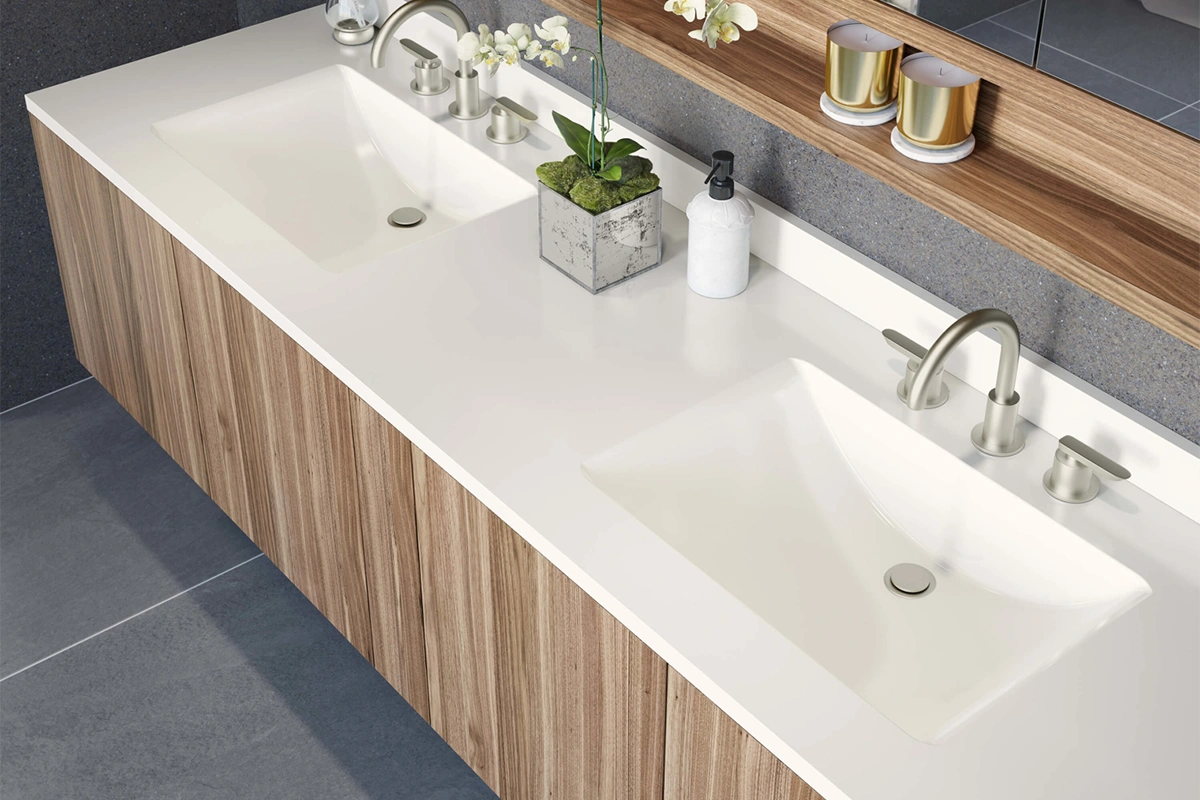
How materials behave during manufacturing also plays a role. Some woods look fine at first but shift later because the grain wasn’t stable. Certain hardware performs well indoors but breaks down once cleaning chemicals and moisture are part of daily use. In public areas where spills and constant cleaning are unavoidable, we lean toward treated surfaces and composites that don’t lose their finish halfway through their service life. The intent is to avoid furniture becoming a maintenance issue.
How materials behave during manufacturing also plays a role. Some woods look fine at first but shift later because the grain wasn’t stable. Certain hardware performs well indoors but breaks down once cleaning chemicals and moisture are part of daily use. In public areas where spills and constant cleaning are unavoidable, we lean toward treated surfaces and composites that don’t lose their finish halfway through their service life. The intent is to avoid furniture becoming a maintenance issue.
Frequently Asked Questions
Why does material consistency matter in hospitality furniture?
Inconsistent materials wear unevenly and fail faster, especially across large installations or multi-phase projects.
How do you account for heavy use in public hotel areas?
Materials are selected based on real conditions like constant traffic, cleaning routines, and repeated impact.
Do you test materials before full production?
Yes. Materials are reviewed hands-on and tested for structural, safety, and wear performance before approval.
How do environmental conditions affect material selection?
Humidity, moisture, and UV exposure are considered early to prevent movement, corrosion, or finish failure later.
Can finishes be customized without affecting performance?
Customization is handled within tested limits so appearance changes don’t compromise durability or function.
How is quality maintained across large or repeat orders?
Through controlled processes that keep finishes, fabrics, and components consistent from batch to batch.