When someone asks, what is a boutique hotel? They must know that boutique hotels stand apart because they feel personal. A dictionary might call them small and trendy spots outside big chains. Yet words on a page miss the warmth guests actually experience. Style matters, sure - but so does character you can sense right away. These places often surprise visitors without trying too hard. Not every compact hotel fits the label, only those with a certain rhythm. Travellers notice the difference in how spaces are shaped, lit, lived in. What draws people isn’t just size or look, but how it feels to be there.
What is a boutique hotel?
A boutique hotel is a small, style driven property that focuses on unique design, personalised attention, and a more intimate guest experience compared to large hotel chains or groups.
A quiet kind of place, often tucked away, sets the scene for stays that stand out. Not driven by uniform rules, each room tells its own story through color, texture, fabric choices. Experience shapes around feeling rather than standard checklists. Personal touches make a huge difference, style leads, yet comfort never slips. What matters shows up in details you notice later. Big names don’t define it - moments do.
Small hotels are drawing more guests every year, pulling in vacationers alongside those on work trips. That steady rise keeps the sector expanding steadily. Many know these stays promise charm and personality behind their doors. Yet stepping inside one might only show part of the story. Running such a place means seeing past the decor and vibe. Shifting an old building into this category demands deeper thought too. Looks alone won’t carry it forward. Choices stack beyond paint tones and furniture picks. Hidden layers shape how well it holds up long term.
A closer look at boutique hotels reveals more than just small size - it’s about character. What makes one different? Personal touches show up in how spaces are shaped, not just listed. Uncommon choices shape guest memories far better than standard comforts ever could. A quiet moment by curated art sticks longer than any other ordinary welcome. Design speaks when words stop. Stay memorable without trying too hard.
Boutique Hotel Meaning Explained
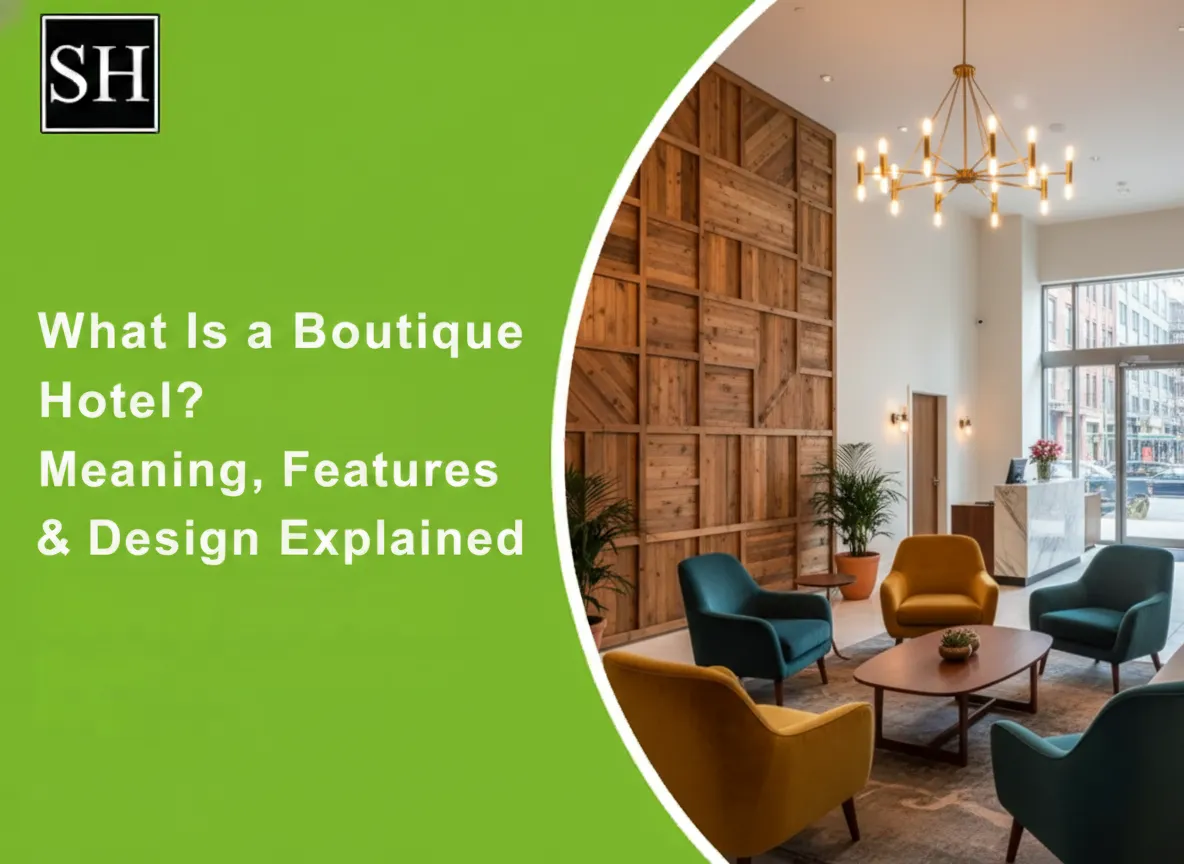
Boutique hotels aren’t just tiny versions of big ones, they are hotels with a strong character, careful touches, everything placed on purpose instead of churned out. Warmth shows in how they’re built - alive with expression, shaped by people, not factories. Local flavor sneaks into the walls, artwork whispers stories, each space leans into a mood all its own.
A tiny place with flair, standing apart from big brands. Though size and solo status matter, what counts lives in the stay itself. Feeling matters more than beds here and what guests carry away shapes the point.
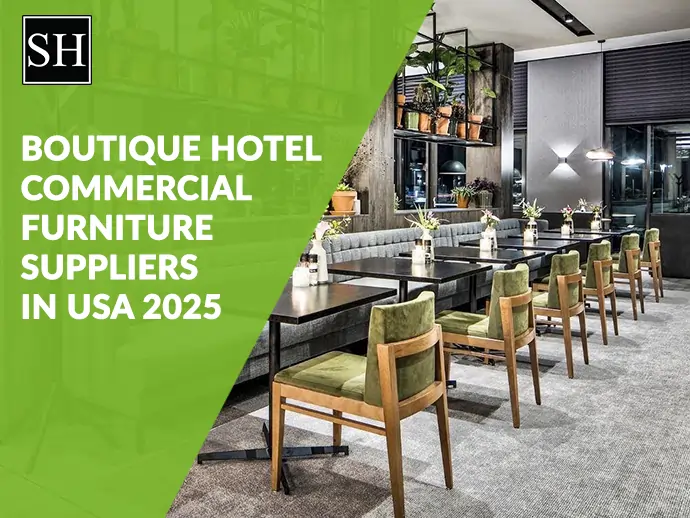
In boutique hotels, furniture is never an afterthought. Each piece is selected to support the overall mood and guest experience. For this reason, many properties work closely with a boutique hotel furniture supplier in USA, like Sara Hospitality USA that understands both design intent and hospitality performance, ensuring furniture feels distinctive while holding up to daily use.
Each detail matters - how furniture sits, how lights glow, how staff move through space. Spaces unfold differently here, resembling thoughtfully arranged homes instead of standard hotel stays. This idea shapes the experience deeply, a real boutique stay doesn’t just offer high-end touches but personality, ease, belonging. What sticks is not opulence - it’s the quiet moment when someone feels truly seen.
Key Characteristics of a Boutique Hotel
Small stays make their mark by being unlike big branded places. What sets them apart? A limited number of guest spaces. Fewer guests mean staff notice what matters. Quiet vibes replace crowded lobbies. Personal touches grow naturally when scale shrinks. Room count shapes how things feel.
What stands out most is how each place looks different. Starting with walls, moving through chairs and tables, then reaching lamps and paintings - everything tells some kind of tale, often tied to where it sits. One might echo old city streets, another could whisper jungle myths. Identical hotel layout designs never happen here; uniqueness pulls people in, quietly, without shouting.
What matters most? Personal attention. Each guest feels seen, not just another nameless face, thanks to teams who recall small details and suggest things that actually fit. Experiences take centre stage here instead of mere beds and walls. Think handpicked design touches, one-of-a-kind extras, or a vibe rooted deeply in location - all aiming for something rare: a stay that sticks.
What sets a boutique hotel apart comes down to size, character, and staying power. A small scale lets personality show through. Each detail sticks because it feels personal. These places linger in your mind long after you leave.
Why Travelers Choose Boutique Hotels
Staying at smaller lodgings now pulls more visitors, simply due to their intimate touch compared to common stays. What stands out most? A distinct kind of moment unfolds inside these places - no two quite match with each other. Since layout rules never apply here, every visit carries its own flavor, leaving traces tied deeply to where it sits on the map.
It's how personal the service feels, people tend to like being seen as themselves, not just a booking code. When team members talk to guests, it comes across warm, real. Little details show someone paid attention, which helps everything run smoothly.
Some visitors lean toward small hotels because of how they look inside. A thoughtfully picked couch here, soft lighting there - these spots hum quietly with warmth. Comfort finds its match in personality when travelers arrive after long days or early flights. These places sit neatly between polished and real, never trying too hard. Staying becomes less about sleeping, more about sensing where you are.
Boutique Hotel vs Traditional Hotel
A fresh vibe pulls people toward smaller hotels, not just for a place to sleep but for moments that stick. These spots skip the usual setups, trading routine service for character you can feel right away. One moment might wrap you in art inspired by the streets nearby, while another ties comfort to bold choices in color and shape. Stay here means stepping into spaces shaped with purpose, not copied from elsewhere. Guests remember these places differently, like stories picked up along the way instead of transactions checked off a list.
|
Feature |
Boutique Hotel |
Traditional Hotel |
|
Size |
Smaller, more intimate properties |
Larger buildings with many rooms |
|
Design |
Unique, themed, and design focused |
Standardized and brand consistent |
|
Service Style |
Personalised and relationship based |
Formal and process driven |
|
Guest Experience |
Experience led and emotional |
Functional and convenience focused |
|
Brand Identity |
Independent with strong character |
Chain based with uniform branding |
Boutique spots draw those wanting charm, originality, a real connection - big chains give predictability, smooth service instead. What sets small properties apart is how they shape visits into something intimate, unique, one you recall later.
Furniture in a Boutique Hotel
Hidden in plain sight, Boutique hotels furniture helps define what makes a boutique hotel feel unique. While most ordinary hotels fill rooms with identical items made by machines, smaller stylish places choose each piece like it matters. A chair here, a side stand there - each one fits the mood the space wants to share. Tables do more than hold lamps; they speak quietly about theme and care. Even beds are picked not just for comfort but because they belong.
Furniture speaks before it seats in small hotels. Handmade touches, regional work, or old treasures shape its voice instead of blending into silence. Ease matters, yet so does how something looks, down to the smallest line or curve. A guest steps inside - calm meets curiosity, tied together by where they stand.
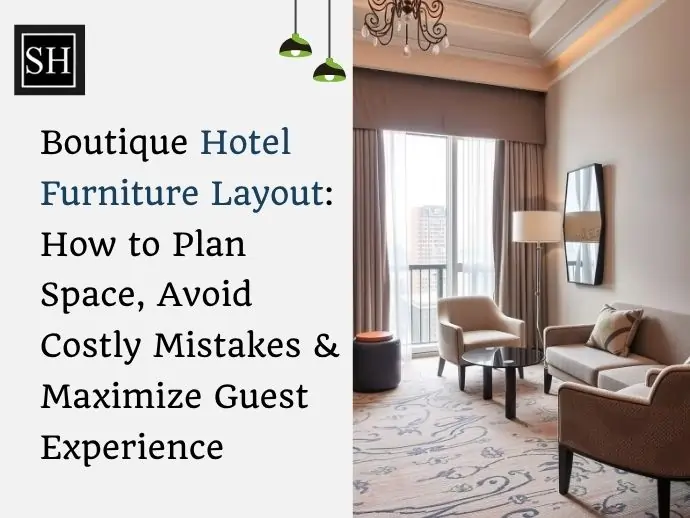
How things are placed makes a difference. Not just about looks - boutique spots shape rooms and shared zones to seem less like businesses, more like cool apartments you’d want to live in. The right pieces do more than sit there - they speak without words, echo the place’s personality, stick around in memory even when travelers have gone home.
How to Start a Boutique Hotel: Key Considerations
Starting a boutique hotel is one of the most searched queries associated with this category, reflecting genuine entrepreneurial interest - the appeal is real boutique properties can generate stronger Revenue Per Available Room than comparably sized chain hotels when executed well. but the path from concept to open doors is more layered than it first appears.
Define Your Concept Before Your Location
The most successful boutique openings in recent years have started with a clear identity, a specific story the asset will tell, a guest profile it will serve - a design language that communicates both. Location comes second, chosen because it supports and amplifies the concept rather than dictating it by default.
FF&E Planning Is Not a Late-Stage Decision
Furnishings, fixtures, and equipment choices determine how a space feels to the people using it every day and this planning should begin alongside architectural design, not after it - many operators who rush FF&E procurement end up with rooms that look disconnected, beautiful architecture housing furniture pieces that contradicts its spirit. Working with a specialist boutique hotel furniture supplier early in the process allows for custom sizing, finish matching and phased procurement that fits both the design vision and the opening budget - choices like lounge chairs for lobby area spaces, lobby items, and a considered hotel reception desk can define the first impression of the entire asset.
Custom vs - ready-Made Furnishings
An often seen decision point for boutique hotel owners is whether to invest in custom-made pieces or source from ready-made commercial ranges - the answer is once in a while binary, so understanding the difference between custom commercial furniture vs ready-made helps owners allocate budget where it generates the most visitor shape typically in public-facing spaces. signature rooms while using well-specified ready-made pieces where the investment-to-shape ratio is lower.
Final Thoughts
Small hotels break the pattern of usual travel spots by building stays around real moments instead of routines. Because they value uniqueness, each space shows character through details you can feel, not just see. Inside, layouts and chosen furnishings unfold like quiet stories, shaped with purpose. A warm welcome often sets the tone, where attention replaces scripts, making visitors feel seen. Identity runs deep here - not stamped on walls but lived in gestures, textures, corners meant for lingering.
A small hotel can feel like a real home for people on the road. Owners see them as a chance to be different in a crowded field - by sharing something true instead of shouting louder. Done well, these stays slip into memory, shaping how someone remembers their trip.