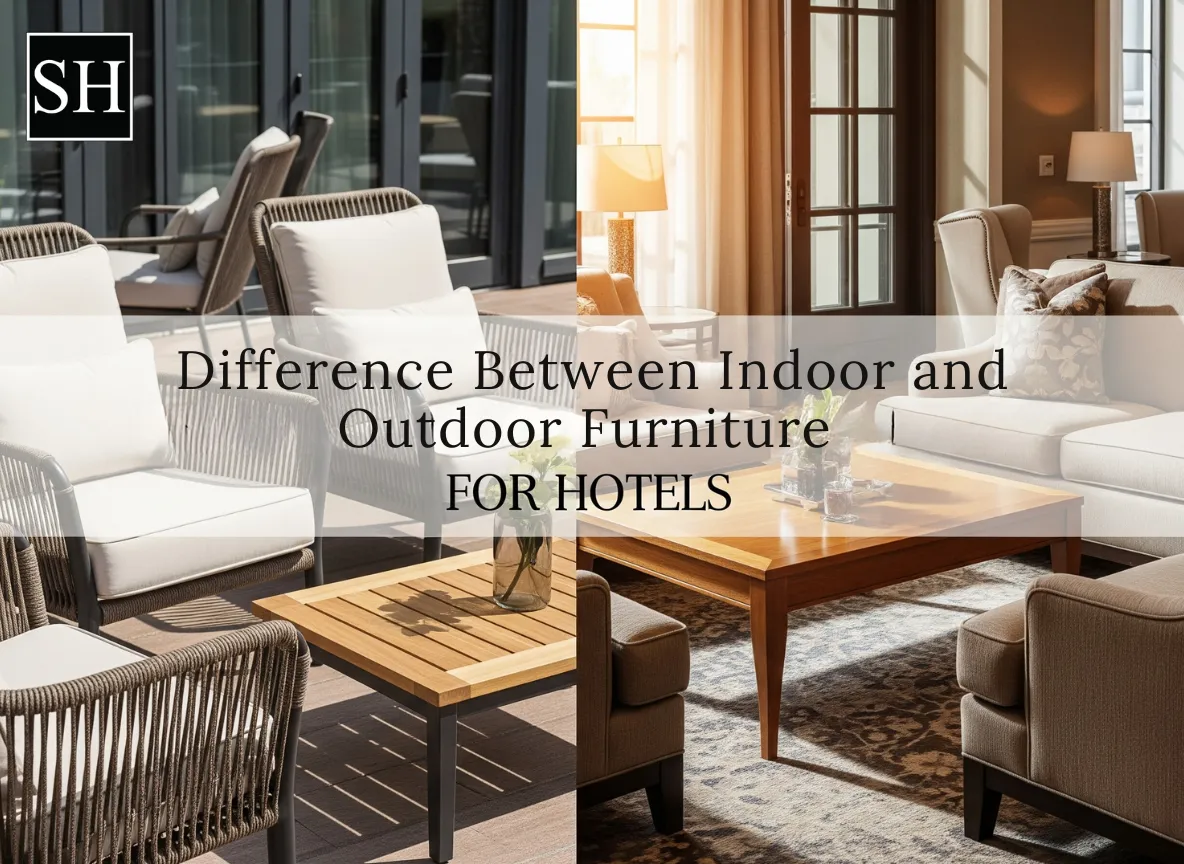
Difference Between Indoor and Outdoor Furniture For Hotels
Choosing the right furniture is essential for hotels, restaurants, and other hospitality venues where comfort, durability, and aesthetics directly impact guest experience and operational costs. Indoor and outdoor furniture serve distinct purposes and face very different environmental demands. Indoor pieces prioritize elegance, comfort, and acoustic performance in controlled settings, while outdoor furniture must withstand sun, rain, wind, and temperature fluctuations without compromising safety or appearance. Understanding these fundamental differences helps hospitality professionals select pieces that perform reliably, reduce replacement frequency, and maintain the property’s intended ambiance year-round.
Upgrade your space with premium hotel outdoor furniture designed for style, comfort, and durability. Create an inviting outdoor experience guests will love.
This guide examines the materials, characteristics, and practical considerations that separate indoor and outdoor furniture, with focused insights for commercial hospitality projects.
What Is Indoor Furniture For Hotel?
Indoor furniture refers to pieces designed exclusively for interior spaces such as hotel lobbies, guest rooms, restaurants, bars, and banquet halls. Engineered for climate-controlled environments, these items prioritize guest comfort, aesthetic refinement, and seamless integration with interior design themes while meeting commercial-grade safety and fire-resistance standards required in hospitality settings.
Common Materials Used in Indoor Furniture
Common materials for indoor hospitality furniture include solid hardwoods (oak, walnut, beech), engineered wood with veneer finishes, upholstered fabrics (performance textiles, leather, velvet), metal frames (stainless steel, powder-coated aluminum), and tempered glass or marble tops, all selected for comfort, aesthetics, and compliance with commercial fire and durability standards.
Indoor Furniture Characteristics
Indoor furniture emphasizes luxurious comfort, refined finishes, and sound-absorbing upholstery. It offers diverse styles for branding, prioritizes ergonomic design, provides softer seating, and requires minimal weather resistance while meeting strict commercial fire codes, cleanability standards, and high-traffic durability for hospitality use.
What Is Outdoor Furniture for a Hotel?
Outdoor furniture comprises seating, tables, and loungers designed for patios, pool decks, rooftops, and gardens in hospitality venues. Built to endure constant exposure to UV rays, rain, humidity, and temperature swings, it delivers commercial durability while preserving aesthetic appeal and guest comfort in open-air settings.
Common Materials Used in Outdoor Furniture
Common materials for outdoor hospitality furniture include all-weather synthetic wicker (HDPE resin), powder-coated aluminum, stainless steel (316 marine grade), teak or eucalyptus with protective sealants, solution-dyed acrylic fabrics, and quick-dry foam cushions engineered to resist fading, mildew, rust, and weathering.
Outdoor Furniture Characteristics
Outdoor furniture incorporates protective designs against weather, coatings that block UV damage, frames immune to corrosion, and padding that sheds water quickly. It favors portable lightness, options for stacking during storage, simple care routines, and solid commercial anchoring for wind resistance, while offering pleasing appearances ideal for premium hotel balconies, eatery courtyards, and leisure zones by pools.
Key Differences Between Indoor and Outdoor Hotel Furniture
Indoor and outdoor furniture have different areas of expertise, indoor furniture serve comfort inside homes, while outdoor furniture tackle weather challenges. Inside setups lean on soft fabrics and fine woods meant for cozy vibes - these materials wouldn’t last outside. Out there, synthetic or reinforced stuff stands up to sun, rain, temperature swings, without needing constant care. Weight stays low, maintenance simpler. Indoors, quiet textures and rich finishes matter most. Outside, quick-draining shapes, resistance to mold, and stability in wind take priority.
Outdoor maintenance often requires only basic rinsing, unlike the routine deep cleaning or expert attention needed for indoor fabrics. In terms of pricing, superior outdoor furniture for commercial use generally involves greater initial outlay due to advanced components, but it yields extended usability in open-air roles.
When Should Hotels & Restaurants Choose Indoor vs Outdoor Furniture?
Managers of hotels and restaurants should designate indoor furniture for fully regulated zones such as meal halls, entry areas, accommodation rooms, beverage counters, and event spaces, where emphasis lies on comfort, sound control, and polished visuals. Outdoor furniture is appropriate for exposed sites including balconies, swimming perimeters, upper decks, landscaped grounds, and street-side dining, demanding strong defenses against solar exposure, wet conditions, and breezes.
Consider outdoor specifications for partially shielded spots like shaded overhangs or pergola-covered zones, plus moist interiors such as pool houses or wellness centers. Prioritize indoor when fire compliance and cushioned luxury are mandatory; select outdoor for enhanced toughness, swift moisture evaporation, and reduced care that lowers expenses over time in exterior hospitality arrangements.
How to Choose the Right Furniture for Your Hospitality Project
To identify optimal furniture for a hospitality undertaking, carefully review the intended placement - whether internal, external, or hybrid—alongside projected usage intensity and regional weather patterns. Favor builds rated for commercial standards, aligning with indoor fire guidelines and outdoor durability tests per ASTM criteria. For open areas, require color-stable dyed fabrics, rapid-drying inserts, and saltwater-tolerant fittings; indoors, opt for robust cloth coverings and firm supports. Harmonize style with utility by ensuring alignment with organizational branding, while incorporating user-friendly ergonomics and straightforward sanitation.
Confirm practical timelines for supply, and inspect examples from equivalent venues. Aligning with proficient hospitality providers who deliver location-tailored advice, visual simulations in 3D, and complete setup assistance will optimize longevity and investment returns.
Why Choose Sara Hospitality for Indoor & Outdoor Furniture?
Sara Hospitality excels as a top-tier producer and distributor of tailored indoor and outdoor furniture for the hospitality field, drawing on more than 20 years of dedicated practice and a portfolio exceeding 550 accomplished initiatives nationwide in the USA. Our offerings include superior, long-lasting elements—like resilient artificial materials for outdoor use and advanced textiles for indoor—that promote sustained performance while matching aesthetic preferences and eco-friendly principles.
We deliver comprehensive services spanning from early discussions and digital mockups to final placement, optimizing schedules and budgets through direct manufacturing channels. Valued for creative approaches in settings like reception areas, open patios, and lodging spaces, Sara Hospitality supplies remarkable benefits, boosting visitor impressions and functional workflows for hotels and restaurants throughout the country.
Conclusion
Deciding on proper indoor or outdoor furniture represents a key tactical move that substantially shapes guest contentment, upkeep budgets, and the sustained prosperity of hospitality operations. By grasping the unique compositions, capability needs, and situational pressures of each group, hotel and restaurant leaders can allocate funds toward items that sustain attractiveness and utility over many years. Collaborating with a seasoned authority like Sara Hospitality secures entry to high-caliber, bespoke options crafted to fit the specific demands and conceptual aims of your site. Adopt knowledgeable selections now to develop accommodating, resilient areas that improve each guest interaction.
- SOFT SEATING
- BATHROOM VANITY
- FIXTURE EQUIPMENT
- Hospitality Casegoods
- Hospitality outdoor furniture
- Senior Living Furniture
- Hotel reception desk
- High end contract furniture
- Premium Hotel Bedroom Furniture
- Custom commercial furniture
- Hospitality Furniture Manufacturers in Canada
- Leading Hotel Furniture Manufacturers in Canada
- Casegood manufacture canada
- Cultured Marble
- SPC Flooring
- Boutique Hotel Furniture
CATEGORIES



FREQUENTLY ASKED QUESTIONS

Author: John Smith
RELATED BLOGS
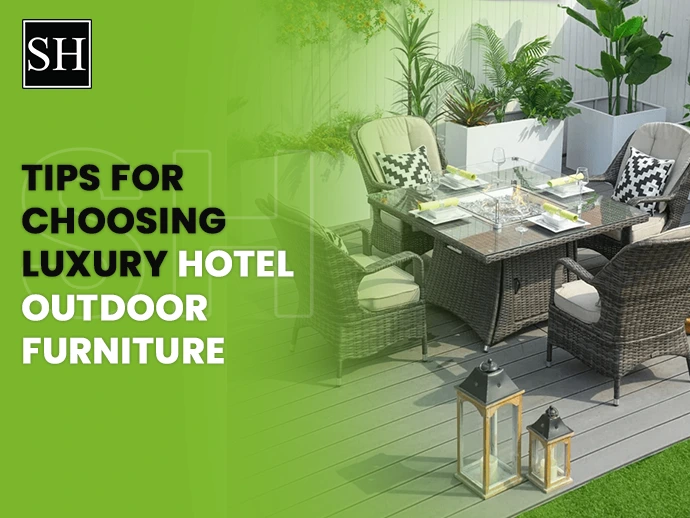
10 Expert Tips for Choosing Hotel Outdoor Furniture In 2026
Sara Hospitality | May 05, 2026
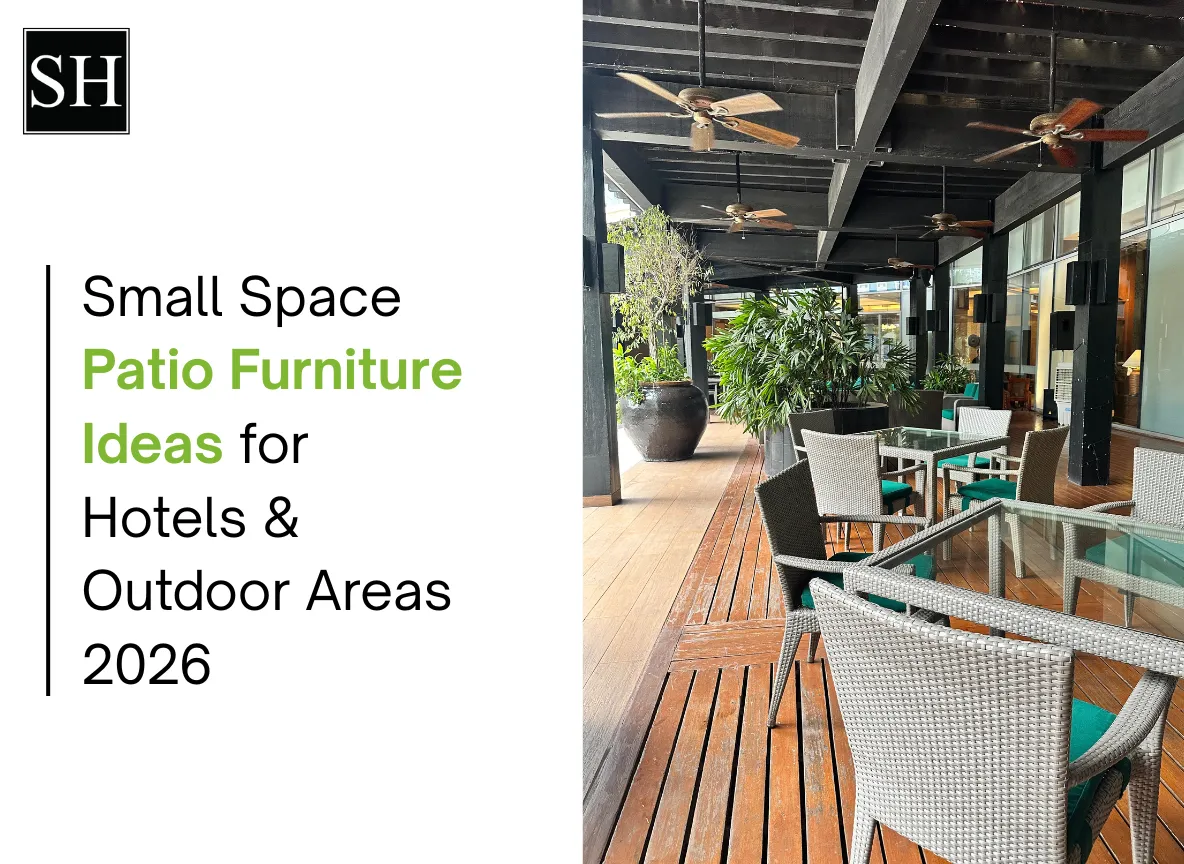
Small Space Patio Furniture Ideas for Hotels & Outdoor Areas
Sam Agarwal | Jan 30, 2026
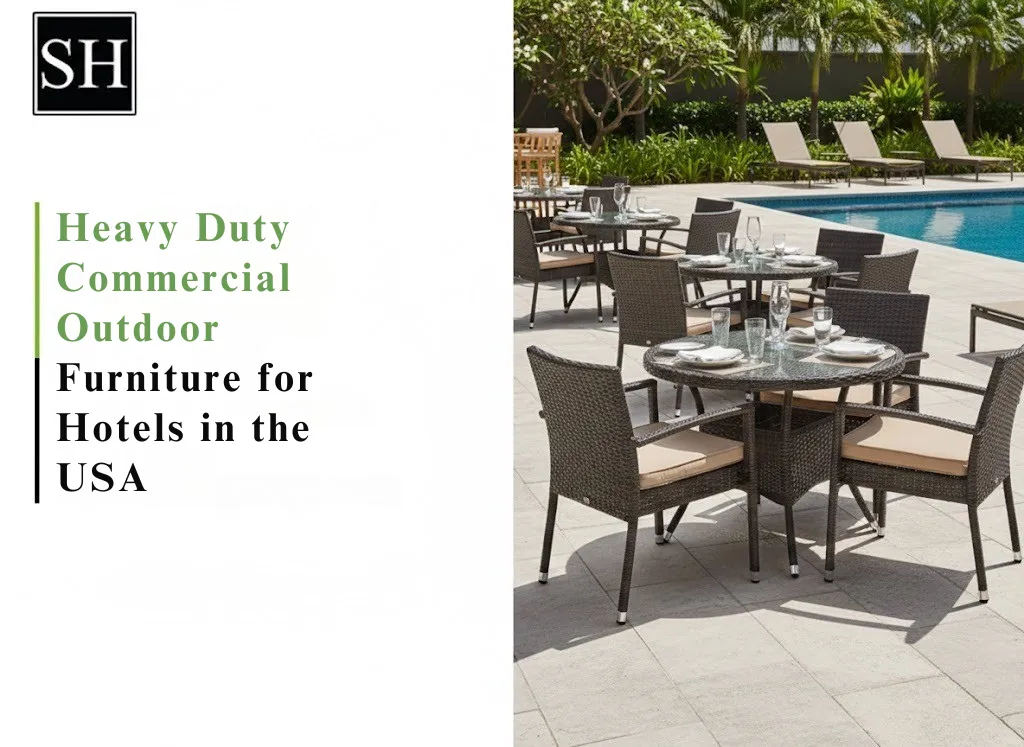
Heavy Duty Commercial Outdoor Furniture for Hotels in the USA
Sangeeta Agarwal | Jan 17, 2026