The 2026 Senior Living Furniture Checklist: Safety, Durability & Compliance
The Senior Living Furniture Checklist In USA 2026 has really turned into a must-have guide for anyone running senior living communities who genuinely cares about keeping residents safe, comfortable, and fully compliant with today’s rules. Our population is aging fast, and that means more facilities are searching for furniture for senior living facilities built specifically to stop falls before they happen, hold up under nonstop everyday use, and still meet every accessibility requirement - yet never feel cold or institutional.
Choosing good senior living furniture does more than meet requirements - it shapes daily life for people who live there and makes work easier for caregivers. Whether in bedrooms, eating spaces, sitting zones, or special care sections, strong pieces of fall prevention furniture for seniors that are simple to maintain help prevent slips while creating places that feel kind and familiar. When things are built for safety and comfort, managers face less stress, loved ones relax when they come by, and those residing here settle into an environment that honors personal choice alongside needed assistance. Results appear quietly: in calm moments, fewer incidents, a sense of belonging.
Senior Living Furniture Checklist In USA 2026
A fresh look at senior living spaces shows what matters most in 2026: chairs, beds, and tables built for real daily needs because more older adults are choosing community living, picking sturdy furnishings has become a quiet priority. Safety plays a big role - pieces that help prevent falls stand out, especially when paired with furniture for senior living facilities materials that resist germs. Designs that make movement easier often lead to greater confidence for those using them. When setups feel like home instead of a clinic, people tend to relax more fully. Durable items mean fewer replacements, less upkeep work, plus savings over time.
Behind every smart choice lies a mix of practicality, comfort, and rules meant to protect everyone involved. Senior living furniture manufacturers understand that key considerations include:
- Chairs and sofas with reinforced frames, non-slip seating surfaces, and armrests at appropriate heights for safe transfers.
- Beds featuring low-height adjustability, furniture for senior living facilities, sturdy side rails, and pressure-relieving mattresses compliant with entrapment guidelines.
- Tables and dining furniture designed with rounded edges, stable bases, and sufficient knee clearance for wheelchair users.
- Common-area seating with high-contrast fabrics, easy-to-grip armrests, and weight capacities exceeding standard residential specifications.
- Storage solutions incorporating soft-close mechanisms, accessible shelving, and infection-control materials suitable for frequent cleaning.
Explore 2026’s Most Ergonomic & Durable Senior Living Furniture — Read the Blog
Resident Room Checklist: Sourcing Safe Assisted Living Furniture
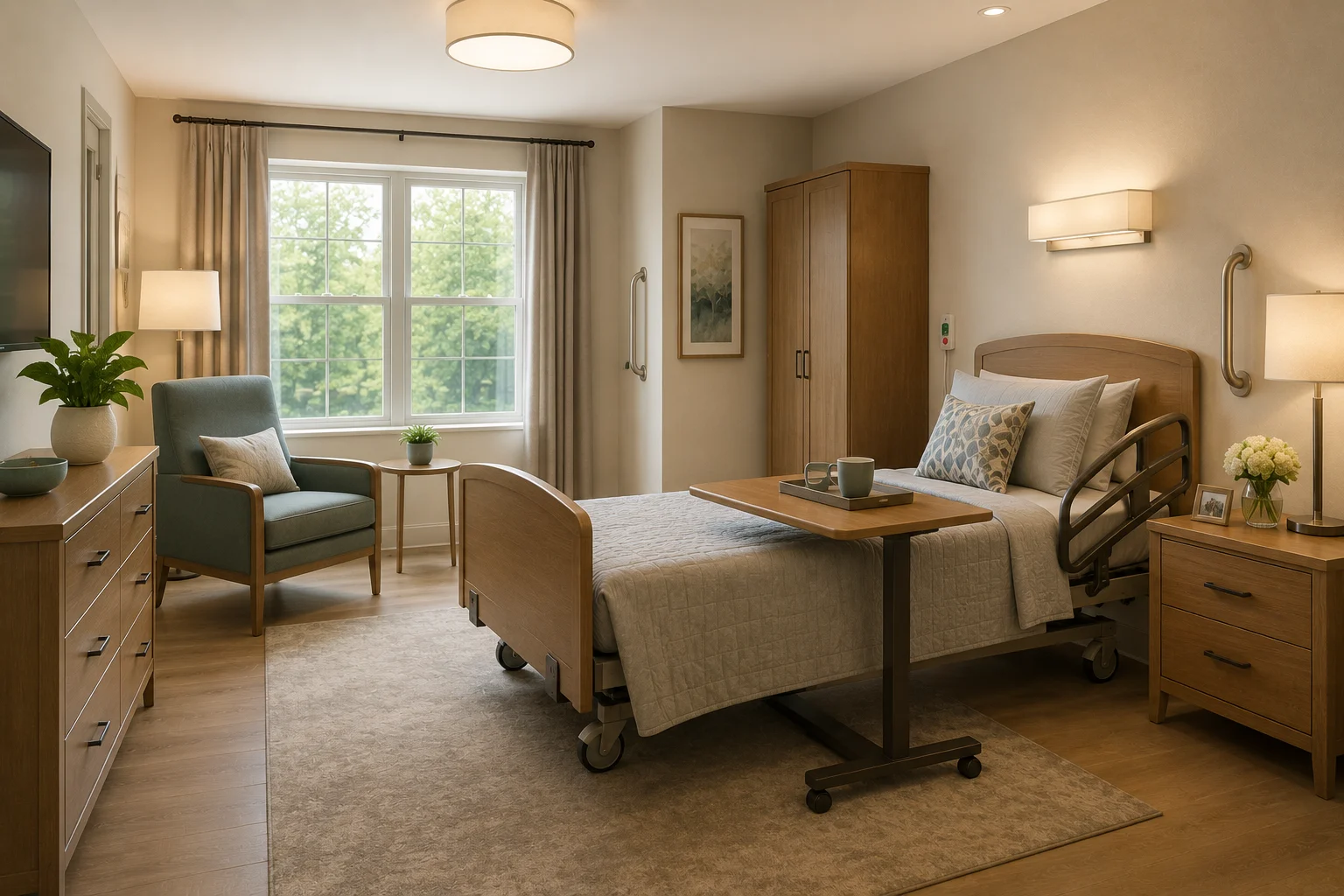
Resident room furniture choices in 2026? They’re shaped by safety needs - fewer falls matter most. Getting in and out must feel smooth, almost effortless. Cleanability plays a big role too, since germs can spread fast. Still, rooms should look warm, not clinical. Dignity isn’t an afterthought - it’s built into every chair, bed and table picked, especially when sourcing high-quality assisted living furniture.
- Low bed height adjustment matters and alongside that, side rails need to stay firmly in place.
- Pressure-relief mattresses that follow today’s safety rules for furniture for senior living facilities.
- Sitting areas rely on strong frames instead of weak ones.
- Surfaces there resist slipping with fall prevention furniture for seniors.
- Arm supports sit where they help movement without aid.
- Shelves open easily to users.
- Drawers close gently.
- Coatings fight microbes.
- Clean upkeep becomes easier because of it.
- Sharp corners disappear from tables.
- Edges curve softly.
- Bases stand firm under daily use.
Meeting these points means rooms work better for moving around and people manage more on their own.
Common Area Checklist: Durable Memory Care & Dining Furniture for seniors
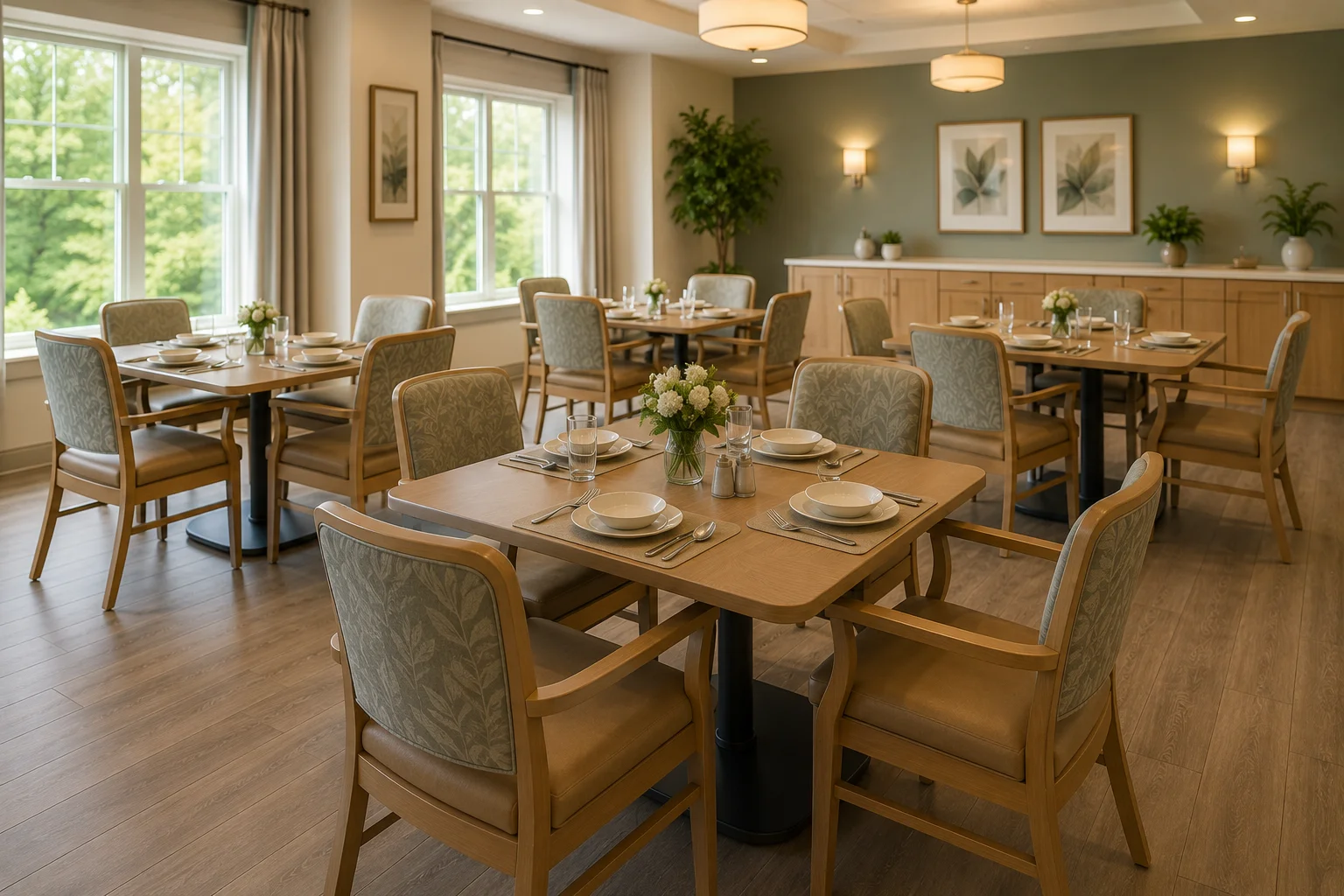
Furniture in common areas at older adult homes - like eating rooms, hangout zones, and memory support sections - needs to last a long time while fitting many different needs in 2026. Because lots of people use the same items every day, choices have to favor steady movement, staying clean, and avoiding falls using fall prevention furniture for seniors. Senior living furniture manufacturers aim to ensure that:
- Tables meant for meals work best when they stand firmly without tipping, include soft edges, leave space under for legs - even if seated from a chair on wheels - and allow room to pull close safely with furniture for senior living facilities.
- Seating such as chairs or couches benefits from tougher frames, fabric patterns that make borders clear to see, padding that holds shape but stays solid, along with arms strong enough to push off from when standing up alone.
Spaces designed for memory care often use furniture for senior living facilities that fits together in different ways. These setups make it easier to change room layouts when needed. Surfaces stay clean better because they resist stains and germs. Cleaning crews can keep things hygienic without damaging materials. Comfortable areas encourage people to gather and talk more freely.
Thoughtful design choices lower chances of slips or falls too. Rooms still feel like homes even though rules must be followed. What matters most shows up in how people interact every day.
What to Look for in Senior Living Furniture Manufacturers
Start smart when picking senior living furniture manufacturers for older adults in 2026 - look for those who’ve actually built for assisted living, memory care, or independent setups. Because only some companies like Sara Hospitality USA blend solid construction know-how with real awareness of rules, safety concerns, and what facilities need day after day.
Spot the good ones by checking if they openly share material details, hold legit test results from outside labs, let you tweak designs, and show proof their stuff holds up with heavy daily use. Those backing assisted living furniture products with strong guarantees, quick help when issues arise, and a steady push toward cleanable, eco-conscious fabrics tend to deliver better worth and meet standards longer term.
Essential criteria to consider include:
- Proven experience specializing in furniture for senior living facilities or healthcare-grade furniture, with case studies or references from comparable facilities as available at Sara Hospitality USA.
- Compliance with current U.S. accessibility standards, fire-retardancy regulations, and entrapment prevention guidelines for beds and seating.
- Use of high-performance materials such as reinforced hardwood frames, heavy-duty upholstery with antimicrobial treatments, and non-slip, stain-resistant fabrics.
- In-house senior living furniture manufacturers design and engineering teams capable of customizing dimensions, configurations, and features to address specific resident mobility and safety requirements.
- Robust quality assurance processes, including independent durability testing and clear documentation of load capacities and lifecycle expectations for furniture for senior living facilities.
- Strong after-sales support, including detailed installation guidance, maintenance recommendations, and responsive warranty service to minimize downtime and replacement costs.
Engineering Durable Furniture for Senior Living Facilities in USA
Starting strong with solid build quality, furniture made for Senior Living Facilities across America blends tough structure with smart shaping. Built to last through heavy daily use, top senior living furniture manufacturers in 2026 choose dense kiln-treated wood or strengthened composite parts instead of weaker options. Joints get extra attention - using tight connections that hold up better than screws or nails alone. Because health matters, fabric covers resist stains, block germs, and slow flames without needing chemical-heavy sprays.
Sitting just right helps users move easier; so seat levels match common body needs, while arms curve gently to aid standing up safely with fall prevention furniture for seniors. Textures grip footwear, floors stay safe, legs plant firmly on wide, balanced bases.
Testing goes beyond basics: each piece of furniture for senior living facilities faces strict checks plus space-clearance limits to avoid hazards. Long-term results show less wear, fewer repairs, consistent rule alignment. Performance stays steady, day after day, helping staff manage smoothly, residents live comfortably.
Check out our full list of built-in features and what they do - especially those made just for older adults - by visiting the Features and Benefits section. You will find more about how things like strong materials and safety layouts work in real-life settings through posts on our blog.
Core engineering attributes to prioritize include:
- Reinforced frame construction using kiln-dried hardwoods or metal-reinforced composites, engineered to exceed 300–500 lb static load ratings for chairs and sofas for furniture for senior living facilities.
- Precision joinery and stress-point reinforcement to prevent loosening or failure under repeated stress cycles.
- Ergonomic geometry with seat heights between 17–19 inches, armrests at 27–29 inches from floor level, and backrest angles supporting natural posture without restricting movement.
- Non-slip, high-friction seating surfaces and floor glides designed to minimize unintended sliding while facilitating safe transfers through fall prevention furniture for seniors.
- Antimicrobial and easy-clean finishes on all surfaces, combined with seamless or welded construction to eliminate crevices that harbor pathogens.
- Modular and repairable components, enabling on-site part replacement rather than full unit disposal, thereby extending product lifecycle and supporting sustainability objectives for furniture for senior living facilities.
Solving Real-World Challenges: Our Case Studies
Older adult housing and service providers face tough problems every day. From furniture for senior living facilities getting worn out fast in busy areas, to ongoing repairs on outdated items, mismatched looks across spaces, difficulty keeping people happy without raising expenses, plus avoiding interruptions during upgrades. Solutions built strong and made just right fixed these exact things when hotels redid their rooms. Places saw actual gains - more guests staying, better income numbers, higher scores on comfort checks, longer-lasting furnishings too.
Even though those examples come from lodging spots, the thinking behind them fits care homes well: safe designs, lasting materials, and assisted living furniture custom options matter there as much. Real results gathered from hotel work show how fixes play out clearly - and help shape what gets done where seniors live.
Selected case studies include:
- Super 8 by Wyndham Prattville Montgomery: Furnishings had worn down, falling short of expected quality, which led to more repairs, unhappy guests, fewer smooth operations. A full check on location pinpointed flaws. New pieces of furniture for senior living facilities came next, built tough, made to last. Changes rolled out step by step so daily work stayed steady. Rooms filled faster - up 42%. Money earned climbed by nearly a third. Guests rated stays at 4.7, drawn to sturdier, cleaner spaces that felt true to the brand while offering better rest.
- Clarion Pointe, Marshall, TX: Furniture worn by time, mismatched looks, old patterns of repair - these slowed down what guests truly wanted. After careful talks and walking through each space, fresh ideas took shape under Sara Hospitality’s guidance: strong materials met clean lines. Designs now flow together without effort. Rooms filled more often, up by nearly half. Money earned climbed thirty percent higher than before. Guests gave near-top marks, drawn to ease, fewer breakdowns, longer stays, better first impressions.
Choices in seating, tables, layouts - those decisions shape how people feel, move, act. Results show up clearly in numbers, mood, daily routines. Senior homes gain just as much from smart setups using furniture for senior living facilities. Each example includes dates, exact materials used, photos taken on site, real data tracked over time - all waiting in our collection of stories from actual case studies.
Talk to us when you’re ready to explore what might work for your residents, their habits, their space.
Designing Modern, Hospitality-Inspired Senior Living Spaces
Fresh off wins in the hotel world, designers are bringing calm, simple styles to elder housing by 2026. Instead of cold hallways, you see open spaces shaped with smooth edges and soft-colored walls. Furniture for senior living facilities stands tough against daily wear but still looks kind and inviting. Layouts make moving around easier, giving people back a sense of control. Rooms begin to breathe like real homes, not clinics dressed up for visitors. Shared corners hum with quiet warmth, encouraging chats without noise or rush.
Even memory care zones lose their clinical edge, trading fear for familiarity with the help of senior living furniture manufacturers. Materials do double duty - looking good while lasting longer under real life. Families notice the shift, feeling relief instead of doubt when they walk in. Residents stay more at ease, less on guard, simply because the space listens to them, often featuring fall prevention furniture for seniors. Behind it all sits proof: places that changed quietly, worked better loudly.
Our portfolio demonstrates the effective application of these principles in real-world projects, where durable, contemporary furnishings elevate user experience and deliver measurable results. Selected examples include:
- La Quinta Inn, Forsyth, GA: A fresh look began by making the room inside feel open, calm, laid out with care. Smooth-lined furniture for senior living facilities took center stage, chosen for usefulness first, looking neat without fuss. Instead of clutter, pieces like steady beds and tidy storage units brought warmth into the space. Everything fits together, built strong but still soft to live with. These choices last, hold up well under daily wear, simple to keep clean. Ideas here transfer easily - useful even in homes made just for older adults.
- Clarion Pointe, Marshall, TX: Every item in the display brought together clean lines and everyday ease. From soft chairs to smart shelves, each choice focused on real use and comfort. These setups shaped calm zones where older adults could unwind or gather without effort. Details like table height or fabric texture mattered just as much as layout. The whole scene suggested better ways to arrange shared rooms and eating spots in care homes. What stood out was how small decisions added up to big improvements in feel and function with furniture for senior living facilities.
Warm lighting, thoughtfully placed chairs, maybe a low table near a window - these small details shape how spaces welcome people.
See more real setups, complete with earlier versions compared to today, room-by-room breakdowns, and behind-the-scenes moments across different locations by checking Our Portfolio.
Get in touch with us whenever it suits you - our team is ready to go over how these design ideas can fit your senior living space just right.
Conclusion
A fresh look at senior living furniture across the U.S. in 2026 shows what really matters when building safer homes for older adults. Instead of focusing on trends, attention shifts toward steady frames, surfaces that resist germs, and designs that feel familiar and calm. Because balance concerns grow with age, beds and chairs now include supports that prevent slips without looking medical, often categorized as fall prevention furniture for seniors.
Built tough, these pieces of furniture for senior living facilities handle daily wear while cutting down repair needs over time. Warm wood tones and soft edges replace sterile finishes, helping rooms echo real homes where people relax, not recover. When choices come from reliable senior living furniture manufacturers, fewer accidents happen, budgets stay stable, and visitors simply say it feels right.
What stands out is that well-designed assisted living furniture pays off clearly - lasting longer, working better, shrinking daily hassles. When upgrades happen in senior housing, sticking to the 2026 benchmarks helps teams handle what's needed now while staying ready for shifts ahead.
Look into Sara Hospitality’s past projects and real-world examples if you want to see these ideas put into practice smoothly at your place.
- SOFT SEATING
- BATHROOM VANITY
- FIXTURE EQUIPMENT
- Hospitality Casegoods
- Hospitality outdoor furniture
- Senior Living Furniture
- Hotel reception desk
- High end contract furniture
- Premium Hotel Bedroom Furniture
- Custom commercial furniture
- Hospitality Furniture Manufacturers in Canada
- Leading Hotel Furniture Manufacturers in Canada
- Casegood manufacture canada
- Cultured Marble
- SPC Flooring
- Boutique Hotel Furniture
CATEGORIES





FREQUENTLY ASKED QUESTIONS